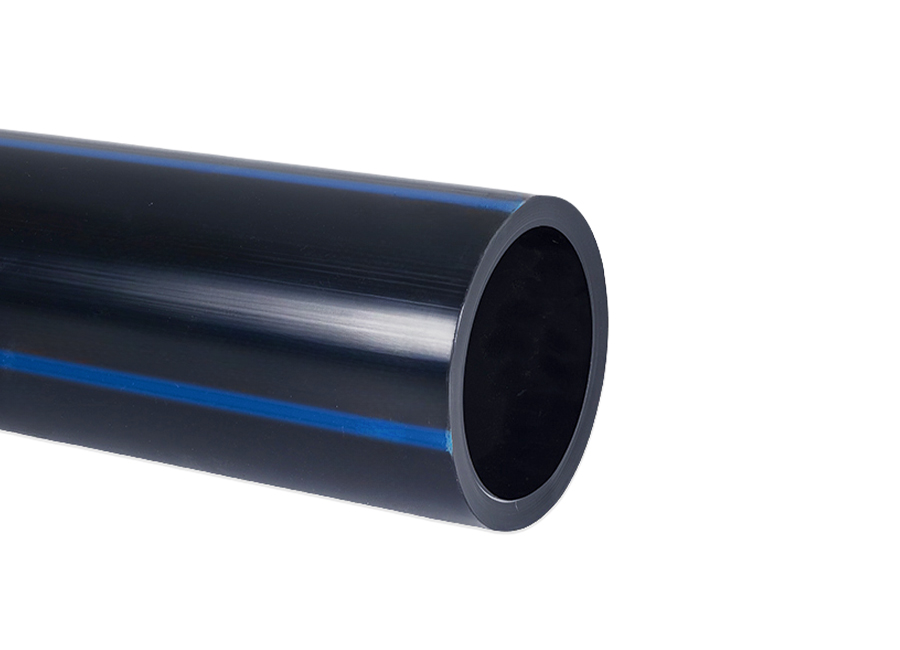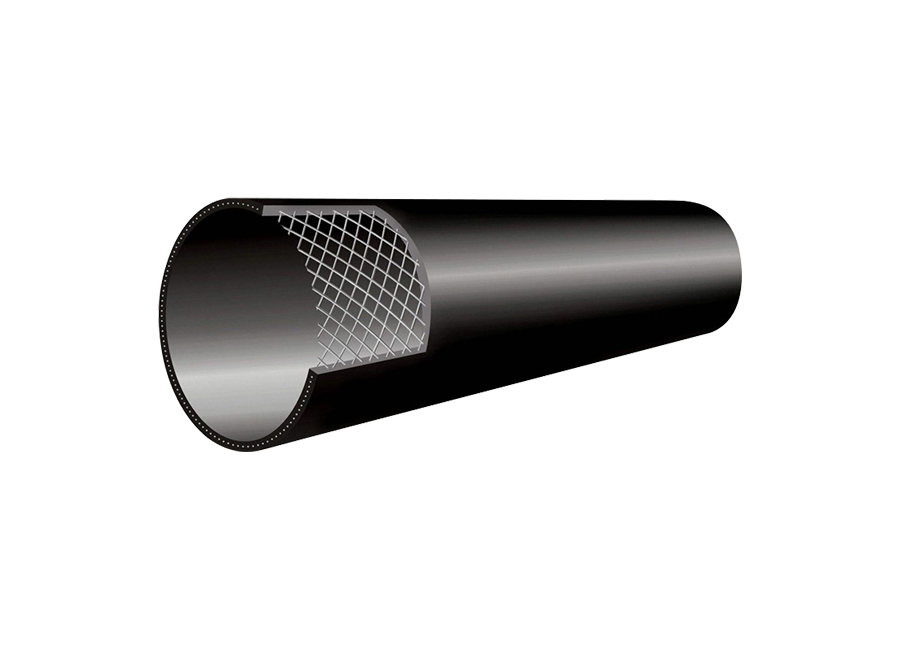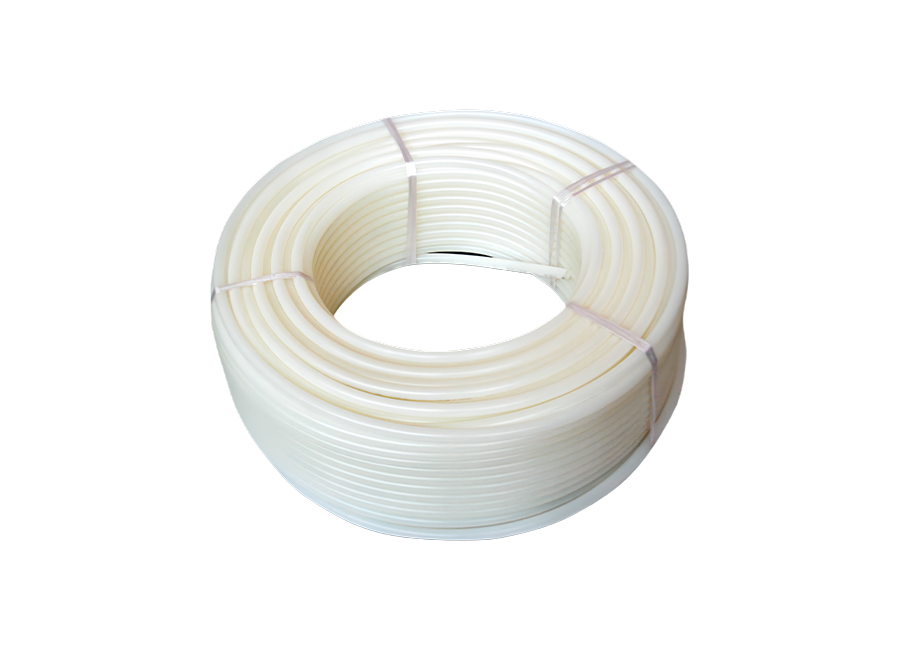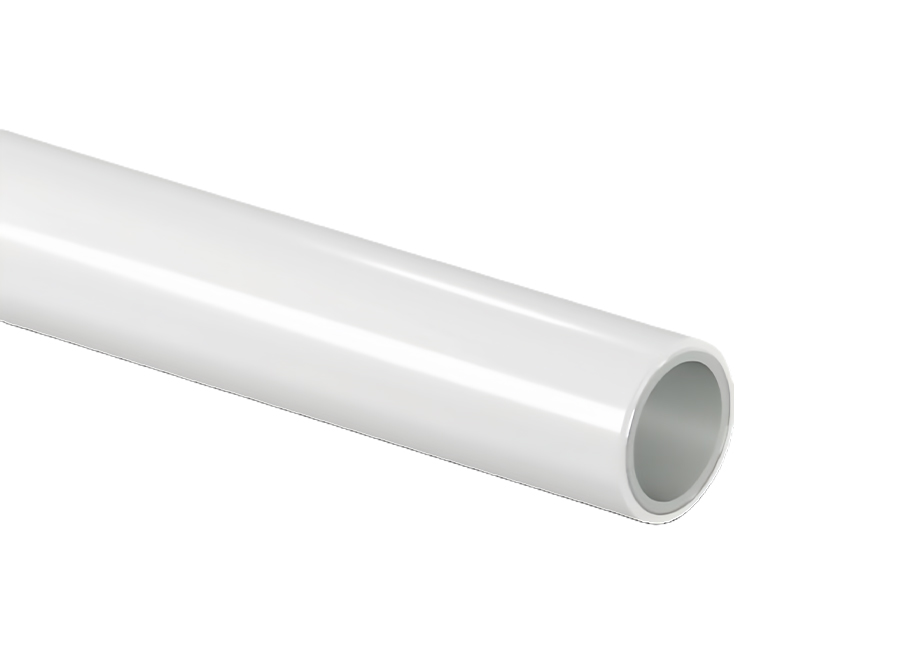
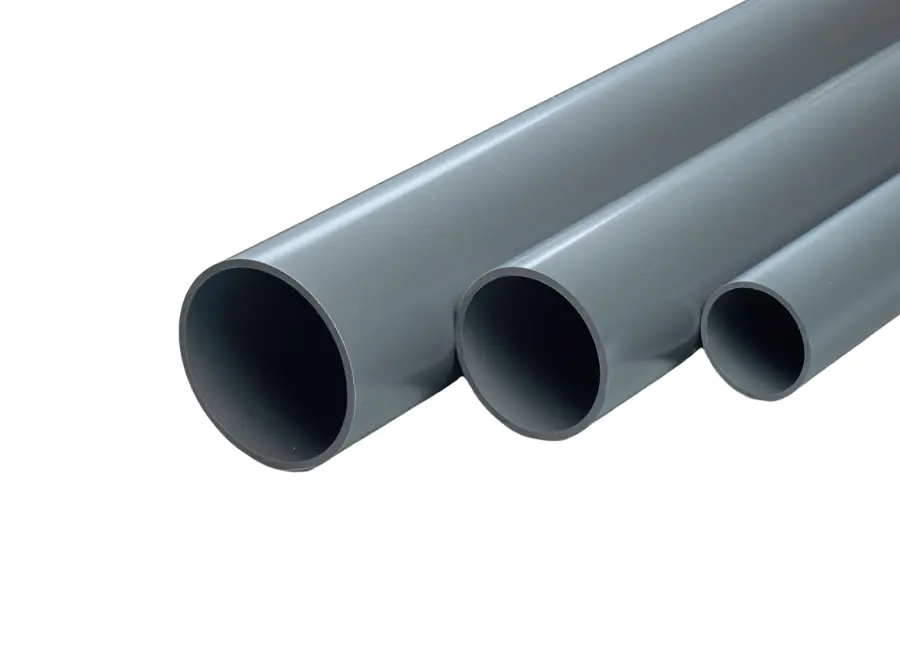
PVC-M rør , eller modifisert polyvinylklorid-rør, skiller seg ut i verden av rørsystemer på grunn av deres eksepsjonelle motstand mot kjemisk korrosjon. Denne unike egenskapen er en av grunnene til at de i økende grad blir valgt fremfor tradisjonelle rørmaterialer i ulike bransjer. But what exactly gives PVC-M pipes this enhanced resistance? Let's dive into the key factors.
1. Material Composition and Modification Technology
PVC-M pipes are made from polyvinyl chloride (PVC), a polymer known for its natural resistance to chemical reactions. However, PVC-M takes this a step further by undergoing a modification process. This modification enhances the molecular structure of PVC, improving its flexibility and impact resistance without compromising its inherent resistance to chemicals.
The modification process allows PVC-M pipes to withstand harsher environments where conventional pipes may fail. The enhanced structure minimizes the risk of degradation when exposed to aggressive chemicals, including acids, alkalis, and salts, which can corrode metal or concrete pipes over time.
2. Overflateegenskaper
One of the standout features of PVC-M pipes is their smooth, non-porous surface. This smooth inner and outer surface reduces the likelihood of chemical substances sticking or penetrating the material. Som et resultat er det mindre sannsynlig at rørene opplever kjemisk oppbygging eller korrosjon, selv når de utsettes for slitende stoffer.
In industrial environments, where chemicals can often erode or damage piping materials, PVC-M’s smooth surface ensures a longer lifespan and reduced maintenance. Denne funksjonen gjør den til et ideelt valg for transport av et bredt spekter av væsker, inkludert de med potensielt korrosive egenskaper.
3. Resistance to a Wide Range of Chemicals
PVC-M-rør kan motstå ulike kjemikalier i ulike konsentrasjoner. They are highly effective against acids, alkalis, and other corrosive substances found in wastewater, industrial fluids, and agricultural chemicals. Denne allsidigheten i kjemisk motstand gjør PVC-M-rør egnet for bruk i flere bransjer, inkludert:
Byvannsforsyning systemer, hvor rør kan møte ulike vannbehandlinger og pH-nivåer.
Industrial transportation of chemicals, oils, or fuels.
Landbruksvanning , hvor gjødsel og plantevernmidler kan tære på andre rørmaterialer.
4. Langsiktig holdbarhet
Kjemisk korrosjon er en vanlig årsak til rørsvikt, noe som fører til lekkasjer, sprengninger og kostbare reparasjoner. PVC-M-rør er, takket være deres modifiserte struktur og forbedrede kjemiske motstand, mindre utsatt for slik nedbrytning. Over time, this resistance helps maintain the pipe’s integrity, reducing the need for frequent replacements or repairs.
I motsetning til dette er tradisjonelle rør laget av metall eller betong utsatt for rust, avleiring og andre former for kjemisk korrosjon. PVC-M-rør på den annen side ruster eller korroderer ikke, noe som gjør dem svært pålitelige for langvarig bruk i tøffe kjemiske miljøer.
5. Kostnadseffektivitet
Den kjemiske motstanden til PVC-M-rør bidrar også til deres kostnadseffektivitet. Med mindre risiko for korrosjon reduseres vedlikeholds- og driftskostnadene betydelig. Businesses and municipalities can benefit from fewer interruptions and repairs, ultimately leading to lower lifecycle costs for piping infrastructure.